For writers and authors understanding the writing process from start to finish is essential! You learn more and more every time you go through it. It is a complex and fulfilling journey, but is there one correct way to navigate the writing process? So many authors have so many different methods…
- Stephen King tries to write six pages every day.
- Ray Bradbury wrote a short story every week.
- Neil Gaiman’s routine was to write or sit there and do nothing — not giving himself permission to do anything else.
Is there a one-size-fits-all writing routine? Absolutely not! It is excellent to try many different writing routines to change it up or discover what works for you, but just because a method is done by a famous author doesn’t mean it will work for you.
I’ve tried a hundred different writing methods in my practice, and I am sure that routine will continue to change as many things do. That being said, I wanted to share my current writing routine and how I complete my stories.
Who knows, perhaps it will inspire you to discover your own writing routine!
My Method to the Madness
My approach to writing is quite, erratic at times. I say I am half-plotter half-pantser as I don’t plan down to the last word but I also don’t go in completely blind either. Here’s how the process usually goes in the beginning…
An Idea is Formed
- A small idea is kept in a note with many other little ideas.
- I write out and consider what types of stories I enjoy or what inspires me.
- Frankenstein time! I write a list of inspirations and ideas I want to go together. Let’s say I am inspired by the unique world of Dark Souls but want to write about a fairy princess. How would those two combine in my own world and style?
- I develop the idea in quotes and scenes that I could imagine in said story.
This is just how I start. It can be quite a mess at first, and I usually end up with pages upon pages of unused scenes or material — but this is an excellent warm-up before getting into the meat of the main story! Writing behind-the-scenes scenes can help me as the author have a better understanding of the characters and how they will act before getting into the main story. Like having lunch with someone to get to know them!
An extra bit I like to do is cover shop. Before starting the story?! I know, it may be a bit odd, but I look at premade covers and guess which ones would suit the story. I started doing this method after learning about how Hayao Miyazaki, director of Studio Ghibli, liked to work in art before working in writing a story. He believes it keeps him thinking out of the box before boxing himself in during the writing phase. I find that different cover styles I’d consider for a book help inspire me for the style of the story itself.
The Writing Process: Getting Into the Draft
My writing process is also like me. It’s a mess. I write whenever I can and wherever I can, but the best writing I get done is when I’m between two classes or appointments. I use that blocked-off time for writing and only writing. When I can’t write, I go back into the quotes and scenes practice, and write pieces I may never use in the actual story itself. Doing this helps me keep warmed up in writing, even when I’m not able to write the actual story I’m still writing.
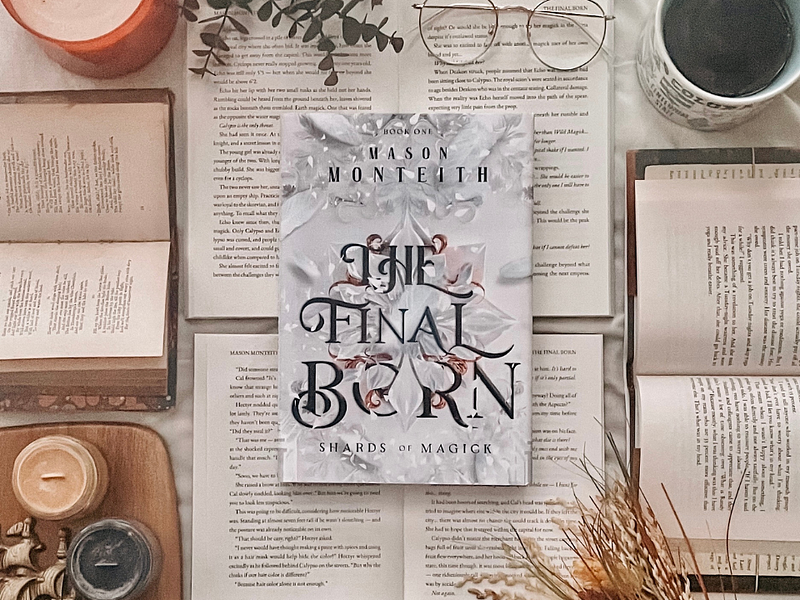
I wrote a whole novel when I was in my senior year of high school just working between classes after I got all my classwork done. The Final Born was finished in between classes at my university when I would hang out and work near the café. I work best when I am in waiting mode for something else. “Let’s see how many scenes I can finish before my next class.” When I’m at home I time myself with the dishwasher, laundry, or time before the dogs need their dinner. Also, Pomodoro timers are a lifesaver!
After I finish the first draft and a round of edits, I work with my beta readers to get feedback. My work would be so much harder without beta readers! The feedback and advice they give is extremely helpful! I mean, I’ve read the story a thousand times as I’ve written it, some outside perspective goes a long way in getting a draft polished up before revisions…
Revision
I take a little break while waiting for feedback on the draft of my story. This helps me have a clear mind when returning to the story rather than being stuck in the brain fog of being stuck in the book for so long.
After I get my beta reader feedback from at least two readers, I make a bulleted list of all of the points made that could improve the book and review my original notes and ideas for the story to make sure I’m sticking to it. (This is so important because when writing the first draft of The Final Born I left out a very crucial plot point!)
I personally have an easier time editing and rewriting than writing the first draft. Once the bones are down, it’s easy to consider adding the five senses for immersion, fleshing out characters more, actions, reactions, and more.
I go through a few rewrites and rounds of revision before considering a story complete. Multiple rounds of beta reading too!
After it is Finished
Once the story is complete, I take a break from it again. Usually, I work on other projects during this time. Taking a break and coming back to it one last time helps me in adding finishing touches and polish up the work before it’s edited and done. Formatting is easy since I do it through Atticus (I highly recommend trying this program!)
So there you have it! A messy writing method. Hopefully, this gives you some ideas in creating a routine or method, or at the very least was an entertaining read. If this article helped you be sure to share it on your socials and tag me!
Cheers,
Mason Monteith
Liked this post? Share it!


Leave a Reply